


.png)
.png)



Search engine optimization (SEO) is an important part of building a successful website. HubSpot Content Hub includes several built-in SEO tools that help website owners optimize their pages without needing additional plugins or external software.
These tools help you improve how your pages appear in search results, ensure your website follows best practices, and make it easier for search engines to understand your content.
Understanding how HubSpot Content Hub handles SEO can help you build pages that perform better in search engines.
Built-In SEO Recommendations
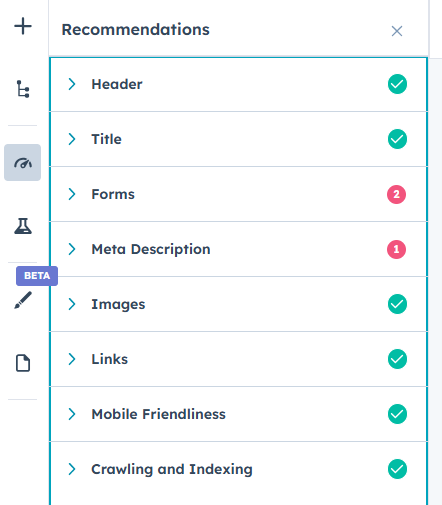
One of the most useful SEO features in HubSpot Content Hub is the built-in SEO recommendations panel.
When editing a page, HubSpot automatically analyzes your content and suggests improvements such as:
- Adding meta descriptions
- Improving page titles
- Including keywords in headings
- Optimizing image alt text
- Improving internal linking
These suggestions help ensure that your pages follow common SEO best practices.
Editing Page Titles and Meta Descriptions
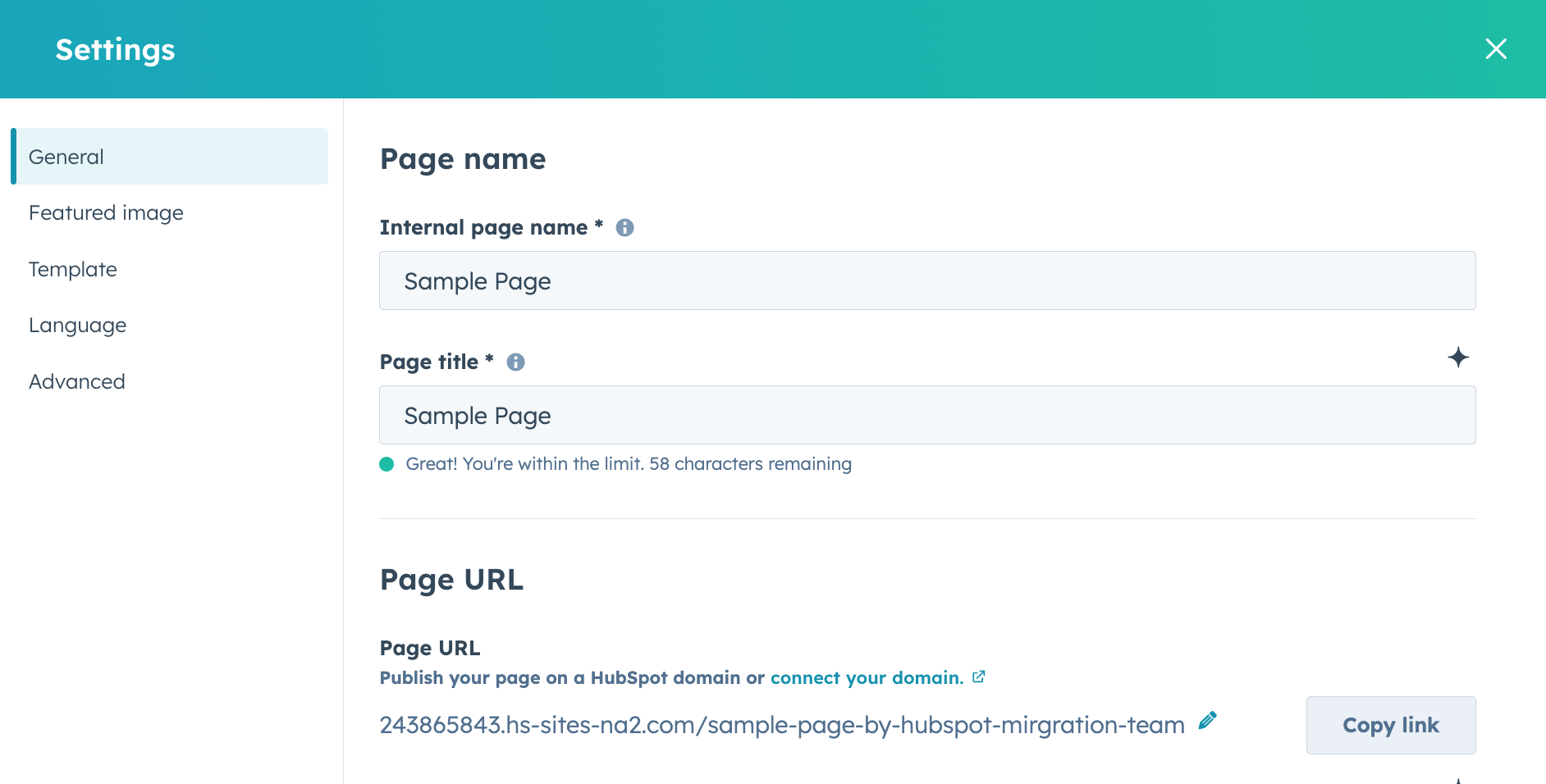
Every page created in HubSpot Content Hub includes fields where you can edit important SEO information.
This includes:
- Page title (title tag)
- Meta description
- Page URL
- Featured image for social sharing
These elements help search engines understand what your page is about and influence how your page appears in search results.
Automatic Sitemap Generation
Search engines rely on sitemaps to discover and index website pages.
HubSpot Content Hub automatically generates a sitemap for your website, which includes all published pages.
This sitemap updates automatically whenever new pages are added or removed, helping search engines keep track of your website content.
Because the sitemap is handled automatically, users do not need to create or maintain it manually.
Mobile Optimization
Modern search engines prioritize websites that work well on mobile devices.
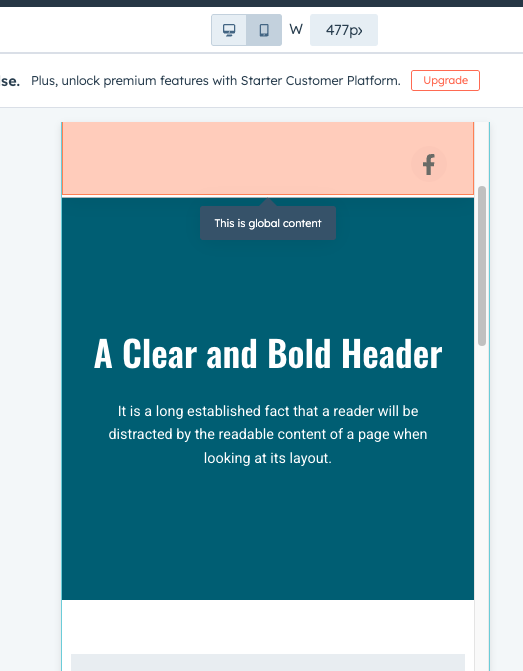
Pages created in HubSpot Content Hub are typically responsive by default, meaning they automatically adjust to different screen sizes.
The page editor also allows users to preview pages on:
- Desktop
- Tablet
- Mobile
This helps ensure your pages provide a good user experience across devices.
Page Speed and Performance
Page speed is another important SEO factor.
HubSpot Content Hub helps improve performance through features such as:
- Global content delivery network (CDN)
- Optimized hosting infrastructure
- Image optimization tools
- Built-in caching
These features help ensure that pages load quickly for visitors around the world.
URL and Redirect Management
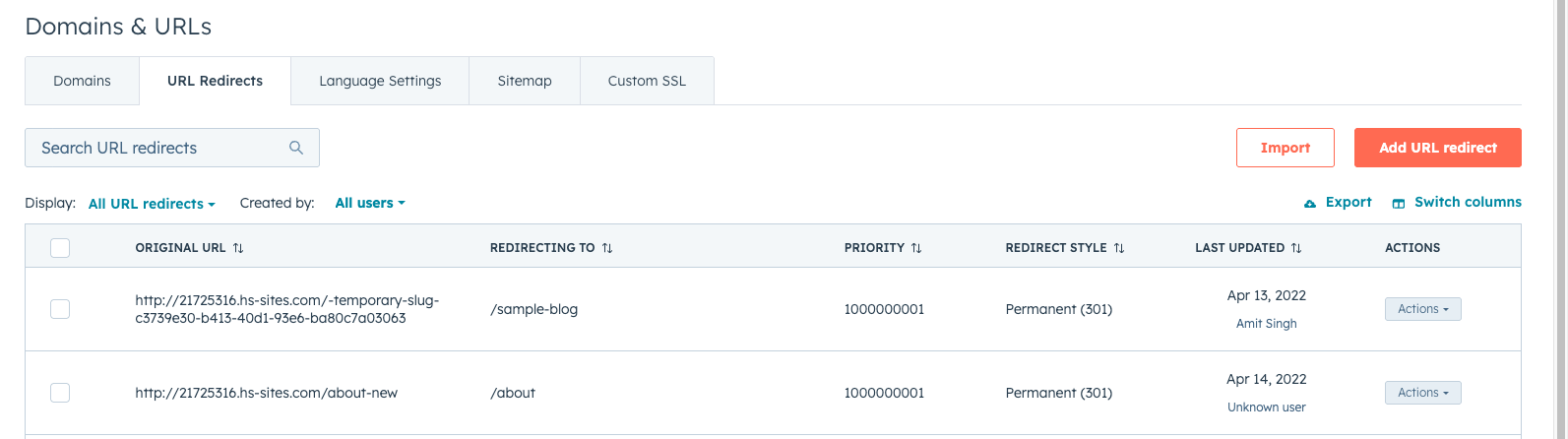
HubSpot also includes tools for managing URLs and redirects.
For example, users can:
- Edit page URLs
- Set canonical URLs
- Create redirects when URLs change
Redirects are particularly useful when updating website structure without breaking existing search rankings.
Final Thoughts
HubSpot Content Hub includes many built-in SEO tools that help websites follow best practices without requiring additional plugins or technical configuration.
From automatic sitemaps to on-page SEO recommendations, these features make it easier for businesses to optimize their websites and improve search visibility.
Related Post
How Do HubSpot Content Hub System Pages Work?
Every website needs certain system pages that handle situations such as errors, login access, or confirmation messages. HubSpot Content Hub provides system pages that control how these scenarios appear to visitors.

How Do HubSpot Content Hub Website Backups and Version History Work?
When working on a website, changes are made frequently. Pages are updated, templates are modified, and content is revised over time. To help manage these updates safely, HubSpot Content Hub includes version history and backup capabilities that allow...
How Does HubSpot Content Hub Design Manager Work?
The Design Manager is the primary development environment within HubSpot Content Hub. It is where developers create and manage the files that control how a website looks and functions.
Have a Project in Mind?
Let’s talk about what you need and how we can make it happen.

Leave a reply