


.png)
.png)


Blog templates play an important role in organizing and displaying blog content within HubSpot Content Hub. A blog template controls the design and structure of how blog posts and blog listing pages appear on your website.
Instead of designing each blog post individually, templates allow businesses to maintain a consistent layout and branding across all blog content.
Understanding how HubSpot Content Hub blog templates work helps ensure your blog remains visually consistent and easy to manage as your content grows.
What Is a Blog Template in HubSpot Content Hub?
A HubSpot Content Hub blog template defines the structure and layout of blog pages. It controls how blog content is displayed to visitors.
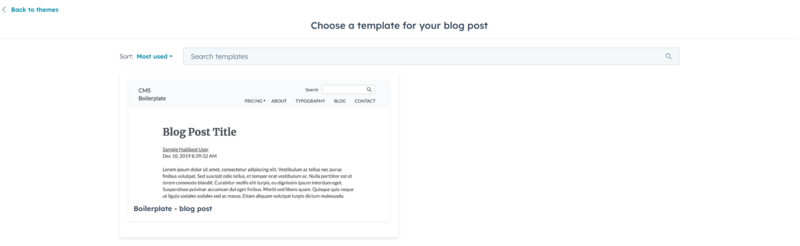
There are typically two main types of blog templates:
- Blog Listing Templates - display a list of blog posts
- Blog Post Templates - define the layout of individual articles
These templates ensure that every blog post follows the same design structure.
Blog Listing Templates
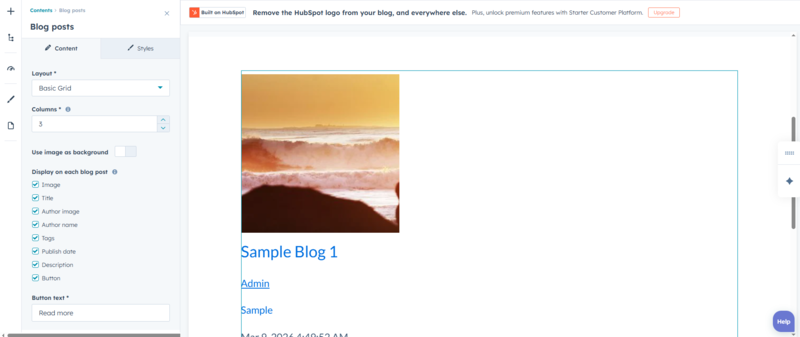
A blog listing template controls how multiple blog posts appear on a blog homepage or category page.
This template usually displays:
- Blog post titles
- Featured images
- Short excerpts
- Author names
- Publication dates
Listing templates help visitors browse through blog content and discover related articles.
Blog Post Templates
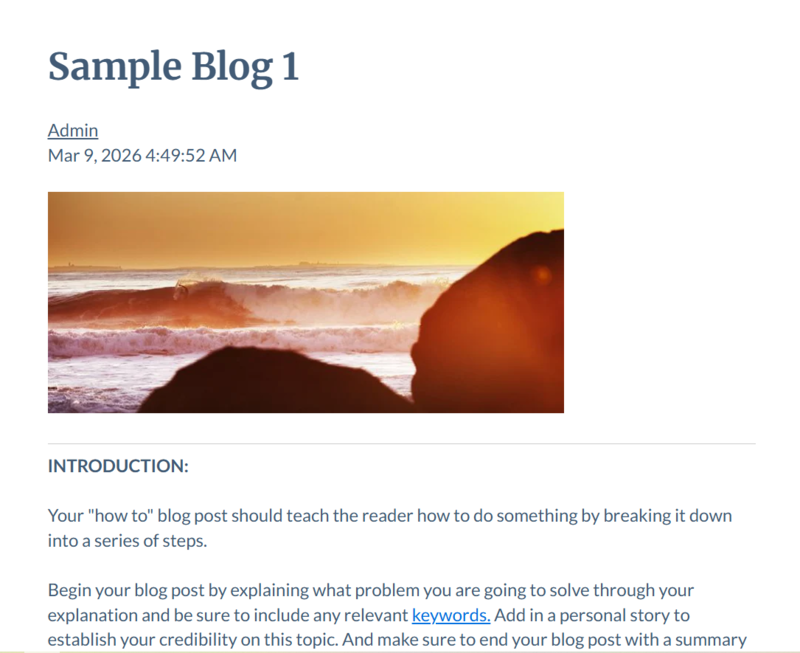
A blog post template defines the layout of individual blog articles.
It determines how elements such as the following appear on each blog post:
- Blog title
- Author information
- Featured image
- Article content
- Social sharing buttons
- Related posts
Because the template structure is consistent, all blog posts maintain the same visual style.
How Blog Templates Are Created
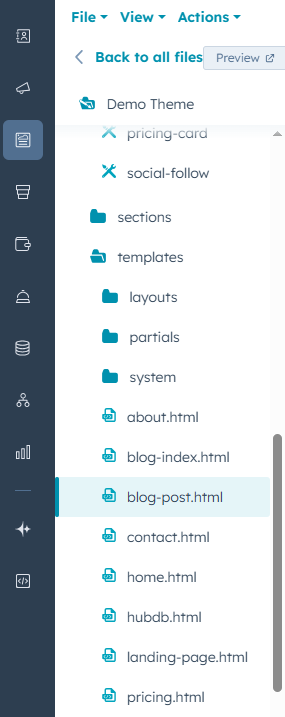
Blog templates in HubSpot Content Hub are usually created by developers using the Design Manager.
Developers can customize templates to include specific elements such as:
- Custom layouts
- Dynamic content sections
- Custom modules
- Design styling with CSS
Once a template is created, it becomes available for use when publishing blog posts.
Final Thoughts
HubSpot Content Hub blog templates help organize and standardize blog content across your website. By separating the layout from the content itself, templates allow teams to publish articles quickly while maintaining a consistent design.
As your blog grows, well-designed templates make it easier to manage hundreds of articles without needing to redesign each post.
Related Post
How Do HubSpot Content Hub Global Modules Work?
When managing a large website, some sections appear repeatedly across multiple pages. Examples include headers, footers, navigation bars, and promotional banners. HubSpot Content Hub global modules allow you to manage these shared elements from one...
How Does HubSpot Content Hub Website Performance and Page Speed Optimization Work?
Website speed plays an important role in both user experience and search engine rankings. Visitors expect pages to load quickly, and slow websites can lead to higher bounce rates and lower engagement.

How Do HubSpot Content Hub Custom HTML Modules Work?
Sometimes website editors need more flexibility than standard content modules provide. HubSpot Content Hub includes custom HTML modules, which allow users to add custom HTML code directly into a page.
Have a Project in Mind?
Let’s talk about what you need and how we can make it happen.

Leave a reply