


.png)
.png)


Yes, HubSpot Content Hub can handle large websites, including sites with hundreds or even thousands of pages. The platform is designed to support businesses that rely heavily on their website for marketing, content publishing, and lead generation.
Many companies use HubSpot Content Hub to manage complex websites with multiple page types, large blog sections, and extensive marketing content.
However, understanding how HubSpot Content Hub scales can help you plan your website structure more effectively.
Built for Marketing-Driven Websites
HubSpot Content Hub is particularly strong when managing marketing-focused websites.
These often include:
- Product or service pages
- Resource centers
- Blog content
- Landing pages for campaigns
- Case studies and documentation
Because the platform integrates directly with HubSpot CRM and marketing tools, it allows businesses to manage both content and customer data within the same system.
Managing Large Numbers of Pages
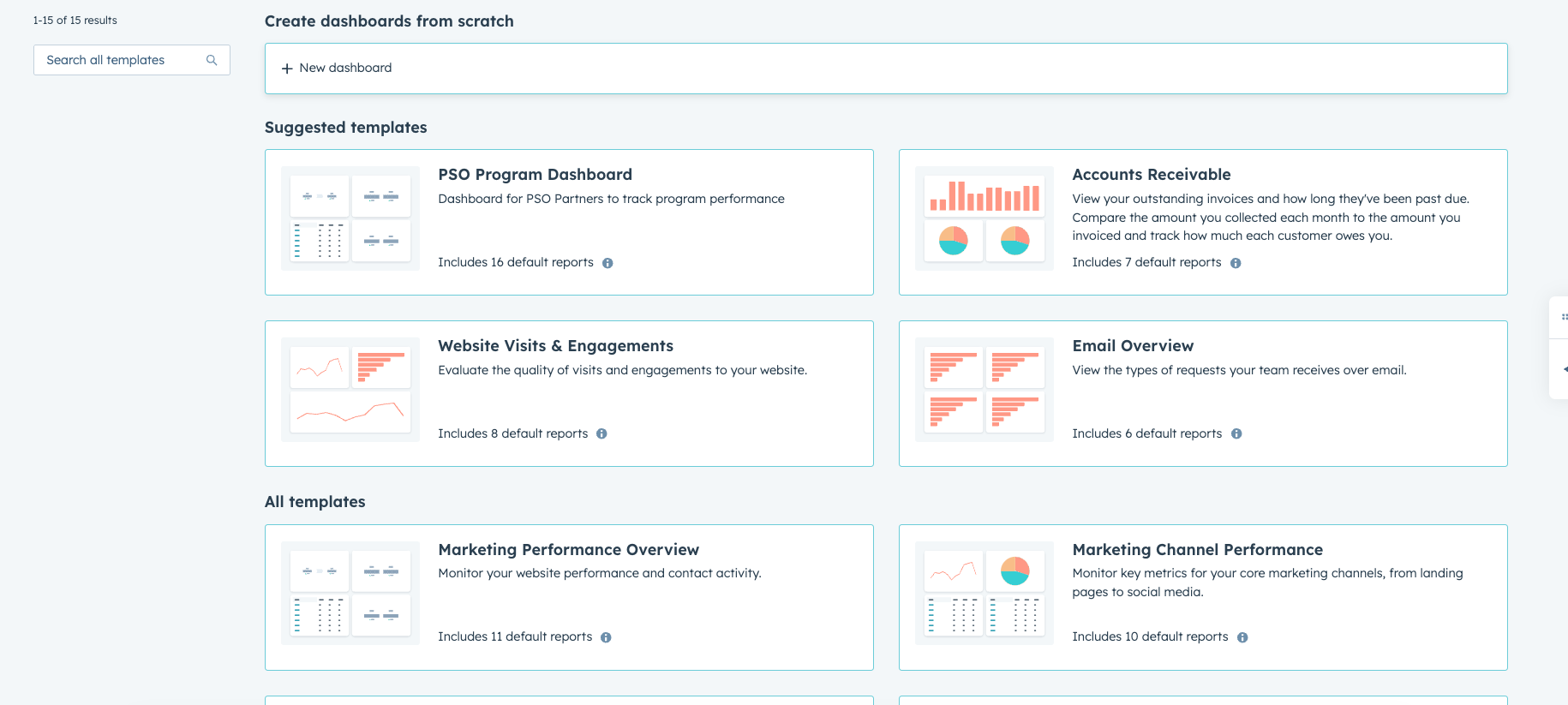
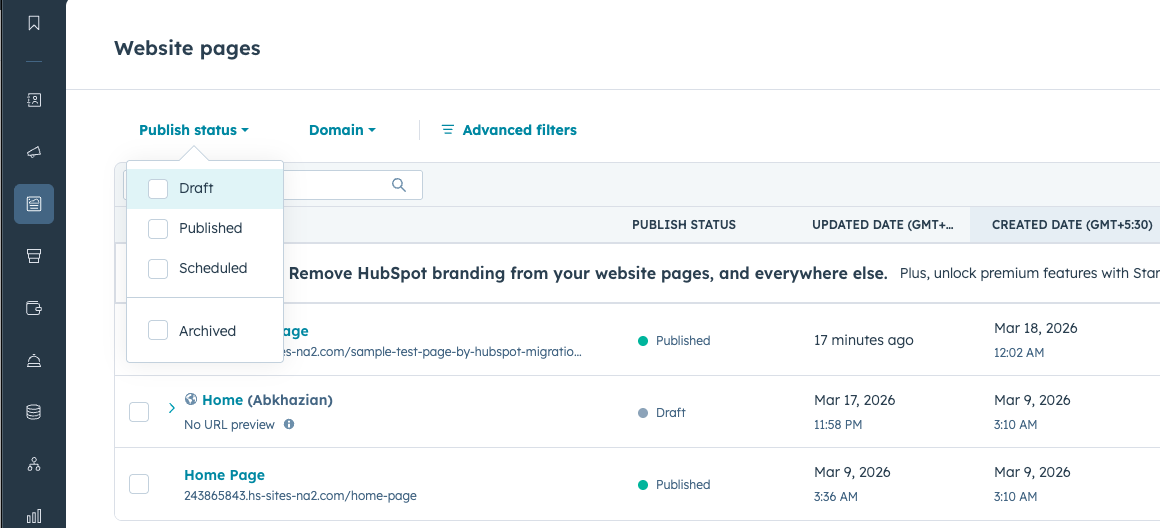
HubSpot Content Hub includes tools that make it easier to manage large numbers of pages.
These tools include:
- Page organization using folders
- Search and filtering tools
- Page duplication for faster creation
- Templates for consistent layouts
Using templates allows teams to create new pages quickly while maintaining design consistency.
Using Templates and Modules for Scalability
One reason HubSpot Content Hub works well for large websites is its modular structure.
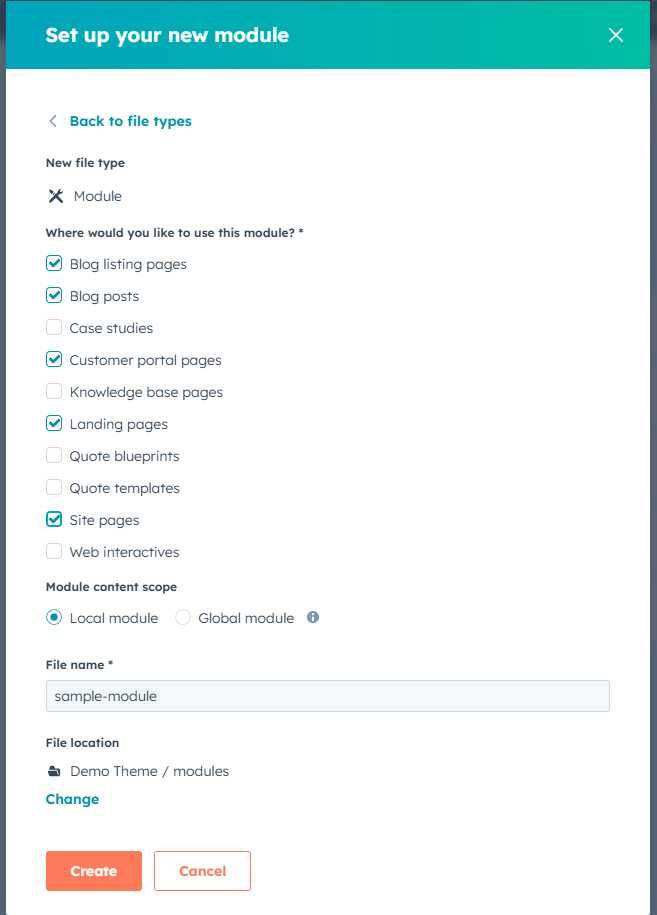
Developers can create reusable elements such as:
- Templates for different page types
- Custom modules for recurring content sections
- Global headers and footers
These components allow teams to build large websites without recreating layouts for every page.
If a design change is needed later, updating the template or module can update many pages at once.
Dynamic Content with HubDB
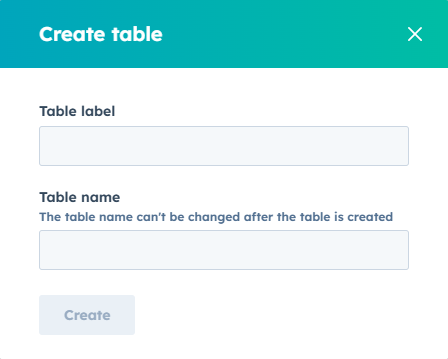
For websites with large content libraries, HubSpot Content Hub also offers HubDB, a database tool used to create dynamic pages.
HubDB can power sections such as:
- Resource libraries
- Event listings
- Product directories
- Location pages
Instead of manually creating hundreds of pages, data can be stored in HubDB and automatically generate pages from that data.
Performance and Infrastructure
HubSpot Content Hub runs on managed hosting infrastructure designed to support large websites.
Key performance features include:
- Global content delivery network (CDN)
- Optimized hosting environment
- Built-in caching
- Automatic scaling for traffic spikes
These features help ensure websites remain fast and reliable even as they grow.
When Large Websites Require Extra Planning
Although HubSpot Content Hub supports large websites, it’s still important to plan your site architecture carefully.
For example, teams should consider:
- Clear page hierarchy
- Consistent template usage
- Organized content folders
- Structured internal linking
Good planning helps keep large websites manageable over time.
Final Thoughts
HubSpot Content Hub is capable of supporting large websites, especially those focused on marketing content and lead generation.
By using templates, modules, and dynamic content tools like HubDB, businesses can scale their websites while maintaining consistent design and performance.
Related Post
How Do HubSpot Content Hub A/B Testing and Page Experiments Work?
When optimizing website performance, it is often helpful to test different versions of a page to see which one performs better. HubSpot Content Hub includes A/B testing tools hat allow teams to compare variations of pages and measure their...

How Do You Delete a Page in HubSpot Content Hub?
At times, you may need to remove pages from your website. This can happen when content becomes outdated, a campaign ends, or the website structure is being reorganized.HubSpot Content Hub provides a simple way to delete pages directly from the page...
How Do HubSpot Content Hub Modules Work?
Modules are one of the most important building blocks in HubSpot Content Hub. They allow you to add and manage content elements such as text, images, forms, and buttons within your website pages.
Have a Project in Mind?
Let’s talk about what you need and how we can make it happen.

Leave a reply