


.png)
.png)


While HubSpot Content Hub is a powerful platform for building and managing websites, it’s important to understand that it also has some limitations. Like any content management system, it is designed with certain use cases in mind.
HubSpot Content Hub works particularly well for marketing-focused websites, but it may not be the perfect fit for every type of project.
Understanding the limitations of HubSpot Content Hub can help businesses decide whether the platform is the right choice for their website.
Limited Control Compared to Open-Source CMS Platforms
One of the main differences between HubSpot Content Hub and open-source platforms such as WordPress is the level of control.
HubSpot is a managed platform, which means many technical aspects such as hosting, security, and updates are handled automatically.
While this simplifies website management, it also means users cannot fully control the server environment or modify certain system-level settings.
For most businesses this is not an issue, but highly customized applications may require more flexibility.
Learning Curve for Developers
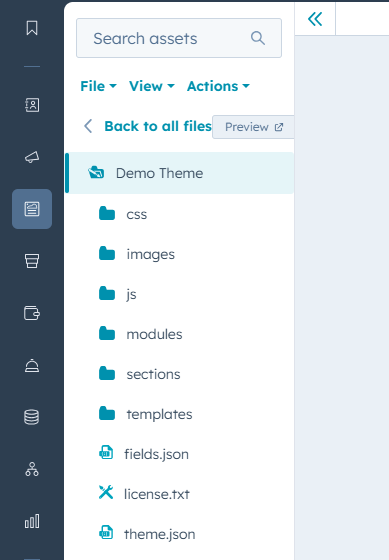
Developers working with HubSpot Content Hub must learn HubSpot’s specific development framework.
This includes:
- HubL (HubSpot templating language)
- HubSpot Design Manager
- Custom module development
- HubDB for dynamic content
Although these tools are powerful, developers who are used to other CMS platforms may need time to adjust.
Marketplace Dependency for Some Features
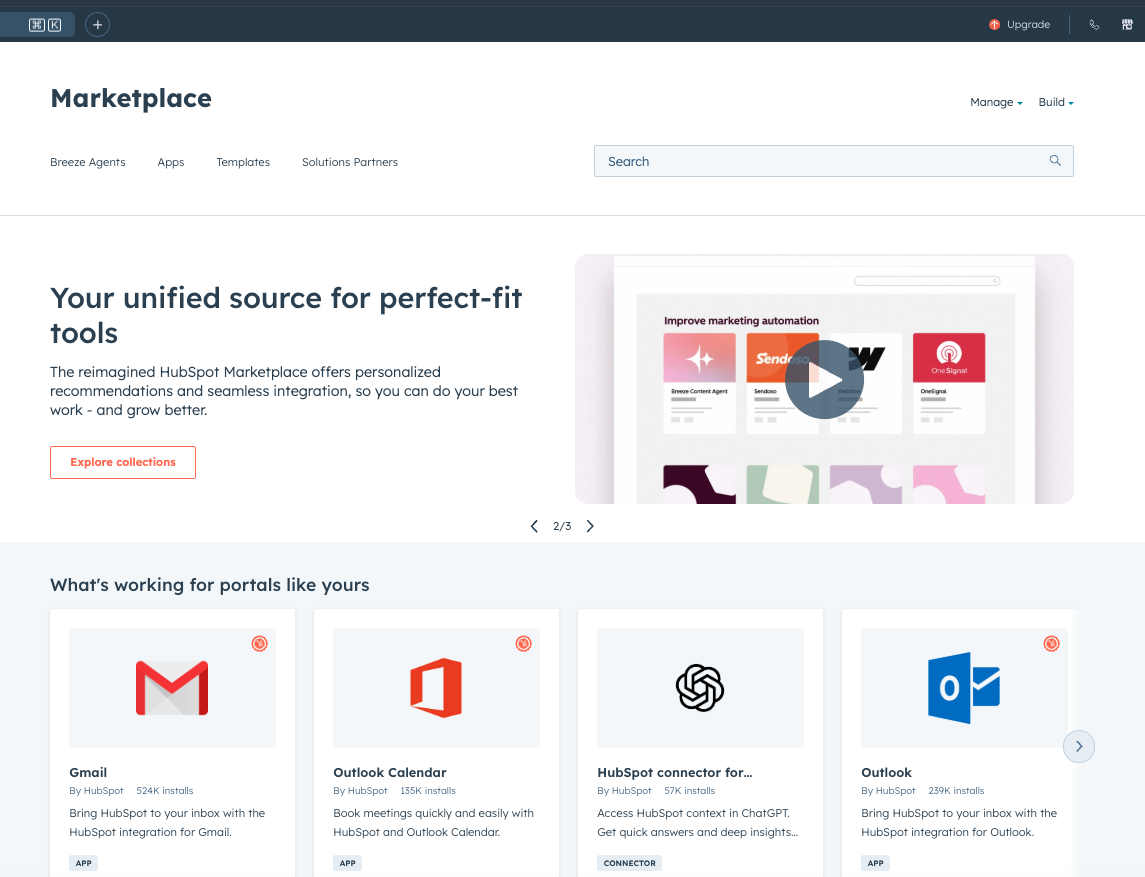
HubSpot Content Hub provides many built-in features, but some advanced functionality may require using tools from the HubSpot Marketplace.
For example, users may need marketplace integrations for:
- Advanced search tools
- Membership features
- Custom analytics tools
- Third-party integrations
While many of these tools work well, they can sometimes increase costs.
Final Thoughts
Although HubSpot Content Hub has some limitations, many businesses find that its advantages outweigh these constraints.
The platform offers a secure, fully managed environment that integrates closely with HubSpot’s marketing and CRM tools.
For companies focused on content marketing, lead generation, and website management, HubSpot Content Hub remains a strong and reliable choice
Related Post
How Do HubSpot Content Hub Templates Work?
Templates are one of the core building blocks of websites created in HubSpot Content Hub. A template defines the layout and structure of a page, ensuring that pages follow a consistent design while still allowing editors to update content easily.
How Do You Create a Page in HubSpot Content Hub?
Creating a page in HubSpot Content Hub is a straightforward process. The platform provides a visual page editor that allows marketers and content teams to build pages without writing code.
How Do HubSpot Content Hub Themes Work?
Themes are one of the most important parts of building websites in HubSpot Content Hub. A theme controls the overall design system of your website, including layouts, colors, fonts, and reusable page structures.
Have a Project in Mind?
Let’s talk about what you need and how we can make it happen.

Leave a reply