


.png)
.png)



Landing pages are an important part of digital marketing. Unlike regular website pages, landing pages are designed with a single goal in mind — conversion. This could be collecting leads, registering users for an event, or offering downloadable resources.
HubSpot Content Hub includes landing page tools that allow marketers to build conversion-focused pages using templates, forms, and calls-to-action.
Understanding how HubSpot Content Hub landing pages work helps businesses create effective campaigns that turn visitors into leads.
What Is a Landing Page?
A landing page is a standalone webpage designed to encourage visitors to complete a specific action.
Common landing page goals include:
- Downloading an ebook or guide
- Signing up for a webinar
- Registering for an event
- Requesting a product demo
- Subscribing to a newsletter
Landing pages are usually focused and contain minimal distractions.
How Landing Pages Are Different from Website Pages
Regular website pages often contain many navigation links and multiple types of information.
Landing pages, however, are designed to guide visitors toward a single conversion action.
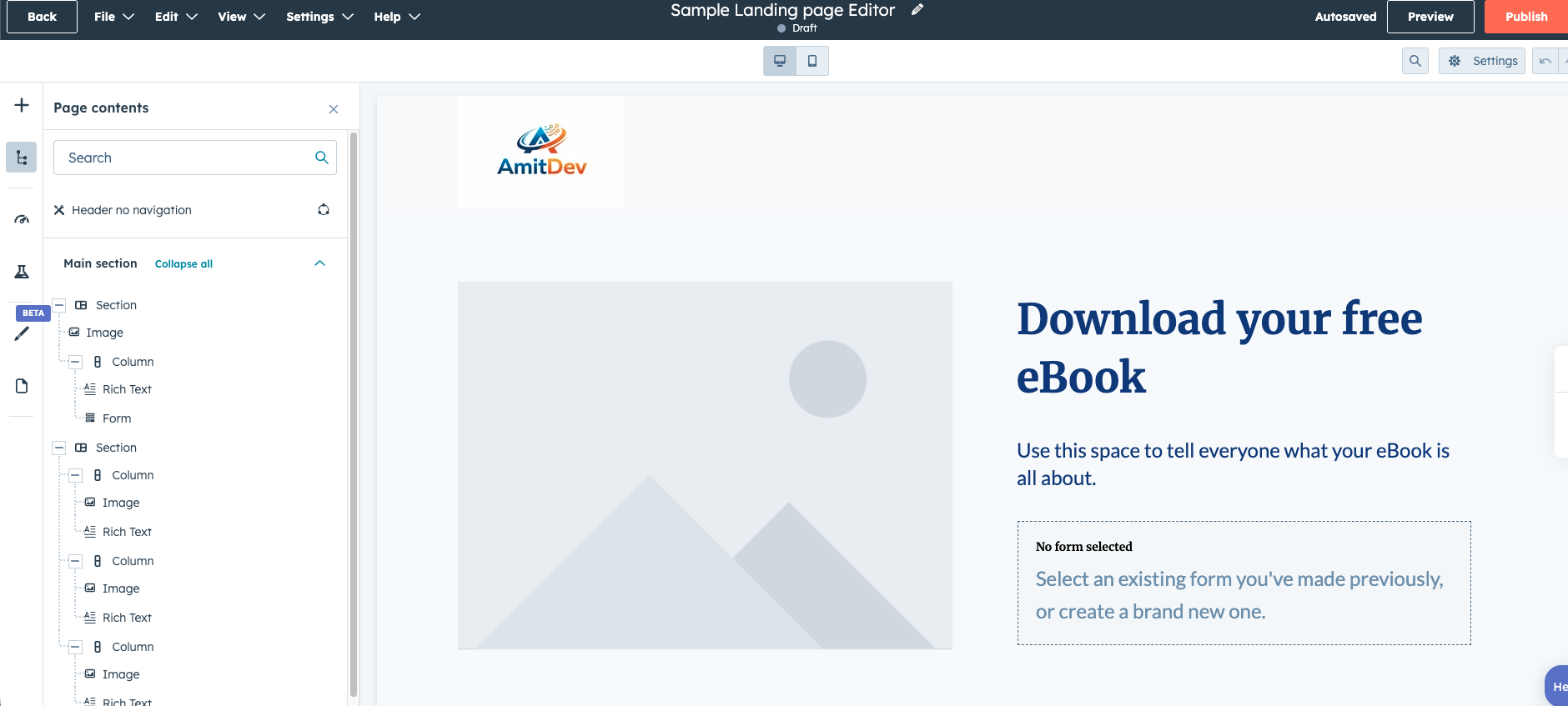
Typical landing page elements include:
- A clear headline
- Supporting content
- A form or CTA
- A thank-you confirmation step
Removing unnecessary navigation often improves conversion rates.
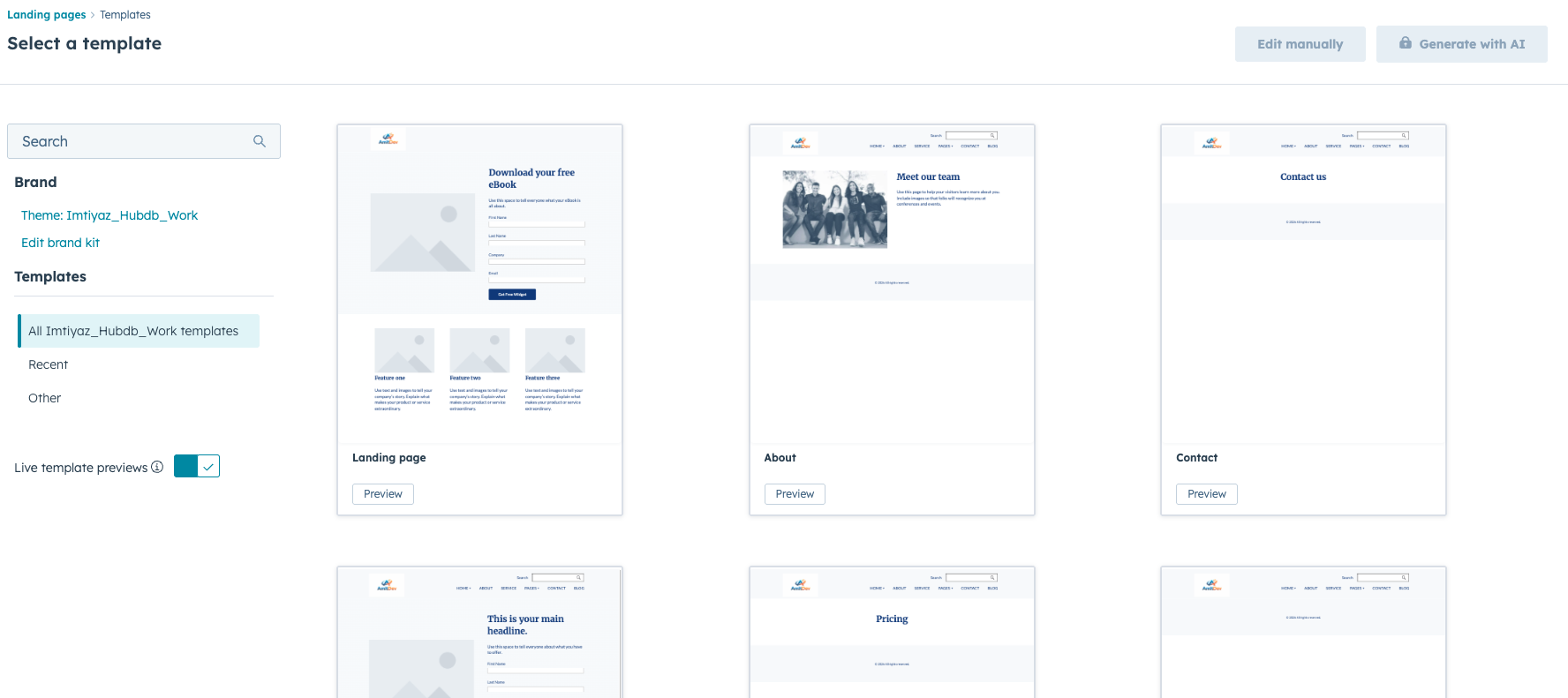
Creating a Landing Page in HubSpot
To create a landing page in HubSpot Content Hub:
- Navigate to Content → Landing Pages
- Click Create Landing Page
- Choose a landing page template
- Add content modules and forms
- Publish the page
The drag-and-drop editor makes it easy to build landing pages without coding.
Adding Forms to Landing Pages
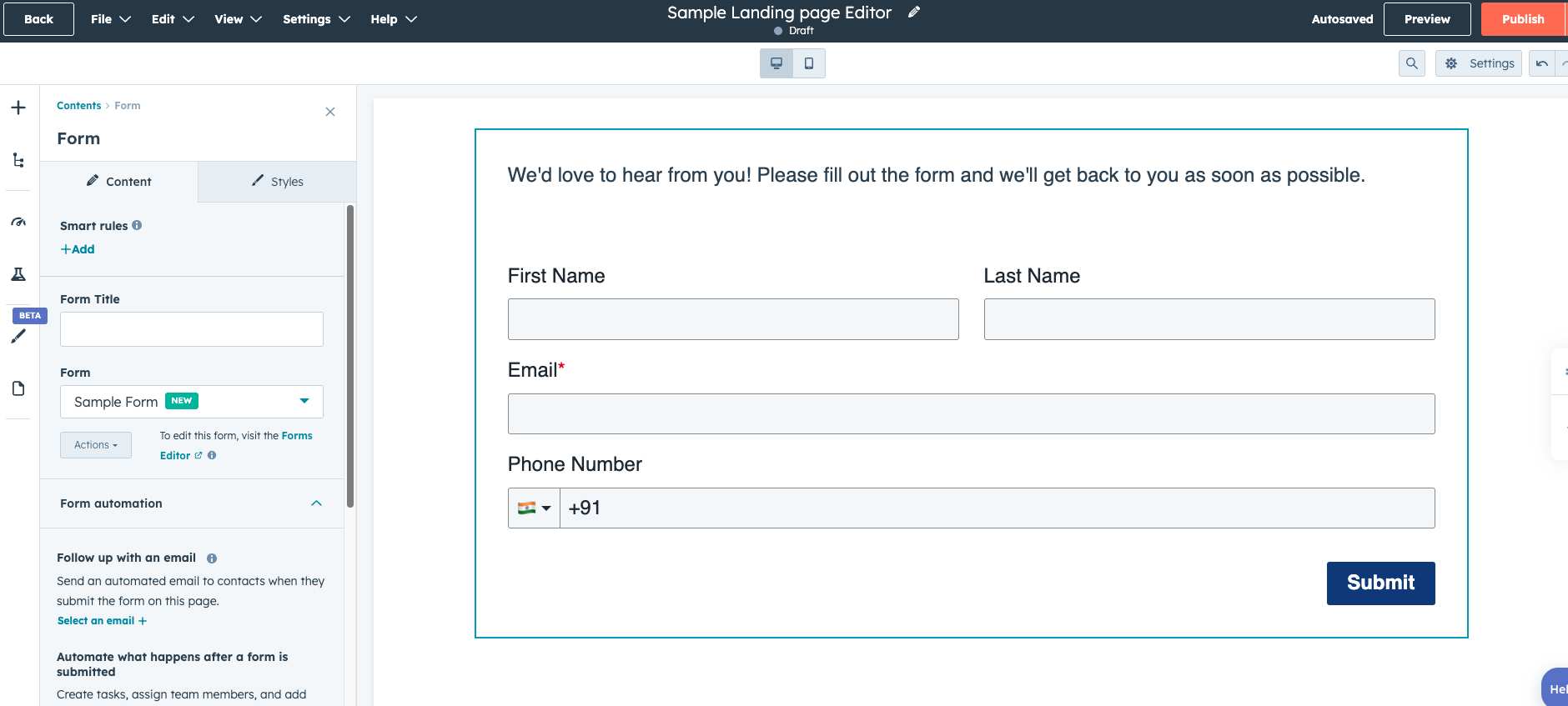
Most landing pages include a form that collects visitor information.
Typical form fields include:
- Name
- Email address
- Company name
- Phone number
When a visitor submits the form, their information is stored in the HubSpot CRM.
Thank-You Pages
After submitting a form, visitors are often redirected to a thank-you page.
This page may include:
- Confirmation of the submission
- A download link for resources
- Next steps for the visitor
Thank-you pages are also useful for tracking conversions.
Tracking Landing Page Performance
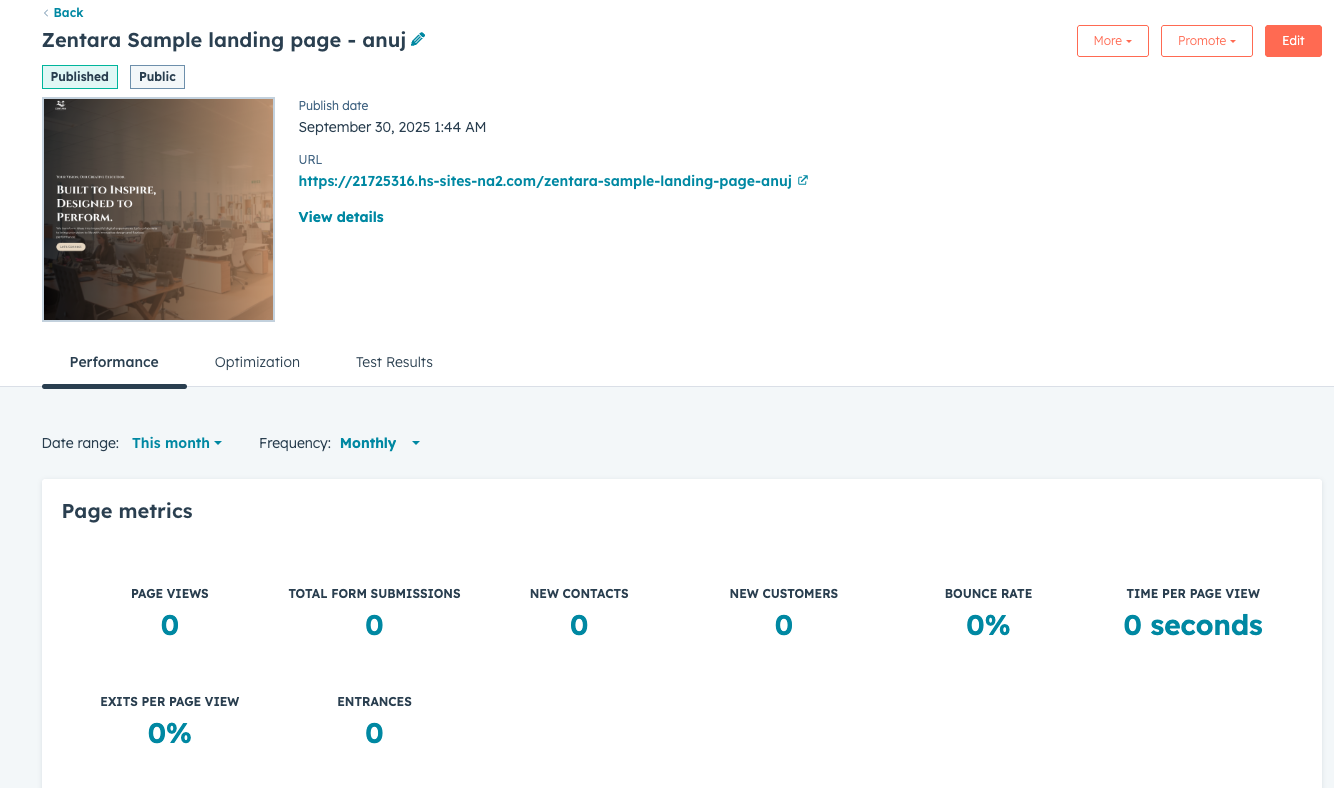
HubSpot provides analytics for landing pages that help measure performance.
Common metrics include:
- Page views
- Form submissions
- Conversion rates
- Traffic sources
These insights help marketers improve their campaigns.
Optimizing Landing Pages
To improve landing page results, teams often experiment with different variations.
Optimization strategies may include:
- Testing different headlines
- Adjusting form length
- Changing CTA text
- Updating visuals
Small improvements can lead to higher conversion rates.
Key Takeaway
HubSpot Content Hub landing pages allow businesses to create focused, conversion-driven pages for marketing campaigns. By combining forms, CTAs, and analytics tools, teams can capture leads and measure campaign performance effectively.
Have a Project in Mind?
Let’s talk about what you need and how we can make it happen.

Leave a reply